
Whoa! This is one of those topics that feels simple until you dig in. I remember the first time I tried to move funds and something felt off—my instinct said slow down, double-check. The truth is, logging into an exchange like OKX and using spot trading has layers: UX, security, order types, and then the evolving Web3 features that sometimes look more like vapor than value. Put another way: it’s easy to get set up, but harder to build habits that keep your keys and sanity intact as markets do weird things.
Hmm… Security first. Seriously? Yes—because a bad login practice cost me money early on, and that memory keeps me careful. Initially I thought two-factor auth (2FA) was overkill, but then realized a single SMS can be intercepted and that hardware keys are worth the fuss. Actually, wait—let me rephrase that: SMS 2FA is better than nothing, but authenticator apps and hardware keys reduce attack surface in meaningful ways that add up over time. So, think: email alerts, app approvals, and a cold-storage habit for larger positions—these are not flashy, but they matter.
Really? OKX’s interface can feel dense at first. My gut reaction was “too many panels,” and I admit I closed the site once because it overwhelmed me. But after a few sessions, the layout makes sense—balances, order book, trade ticket—and the learning curve flattens. On one hand the platform tries to serve both new traders and pros; on the other hand that ambition means some UI choices are cluttered, though honestly you get used to it and then you miss the convenience if you switch platforms.
Here’s the thing. Account setup tends to follow a predictable arc: create account, verify email, enable 2FA, set up withdrawal whitelist, test a small deposit. Wow! That small deposit test is the single most underrated step—send $10 first and confirm you can withdraw before moving serious capital. If you skip that step you might find yourself troubleshooting a withdrawal hold or a KYC glitch at 2 a.m., which is annoying and avoidable.
Spot trading basics are straightforward. Buy low, sell high—yeah, easier said than done. Spot vs. futures: spot means you own the asset outright, no leverage math to make your head spin, and less liquidation drama when the market rips. My bias is toward spot for most retail positions because it’s simpler and you avoid margin calls that feel personal. But spot still demands a plan: entry, exit, position size, and a clear stop-loss mindset.
Okay, so check this out—order types. Limit orders, market orders, stop-limit, and OCOs (one cancels the other) are your toolbox. Wow! Use limit orders for control, market orders when you need to move quickly, and OCOs to automate risk management. I used to ignore OCOs until I lost a runner because I forgot to block a profit; now I preset both take-profit and stop-loss and sleep easier. Also, watch fees—maker vs taker can change your math if you scalp frequently.
Trading psychology sneaks up on you. Hmm… emotions amplify with each green and red candle. One trade feels like skill, the next feels like luck. Initially I thought more trades meant more edge, but then realized patience and selectivity often beat higher frequency for my temperament. So, discipline and a written plan beat excitement-driven moves, and that’s a rule I break sometimes but try to follow.
Now about Web3 on OKX. This is the part that mixes wallets, dApps, and a slightly different mental model. Seriously? Yes—because Web3 nudges you from custodial comfort into partial self-custody options and richer on-chain features. I’m biased, but exploring OKX’s Web3 integrations is worth the time if you want to interact with NFTs, bridge assets, or use on-chain DeFi directly from the exchange environment. There’s convenience—and tradeoffs—when you sign transactions through an exchange-managed wallet versus a fully self-custodial one.
Something felt off about early wallet bridges—too many approvals and gas surprises. My instinct said read the permissions, and that saved me from a sloppy token approval that would have allowed repeated spends. On one hand many users want a one-click flow; though actually, that click should come with an audit in your head: “Who gets access to my tokens, and for how long?” If you can’t answer, revoke and re-evaluate.
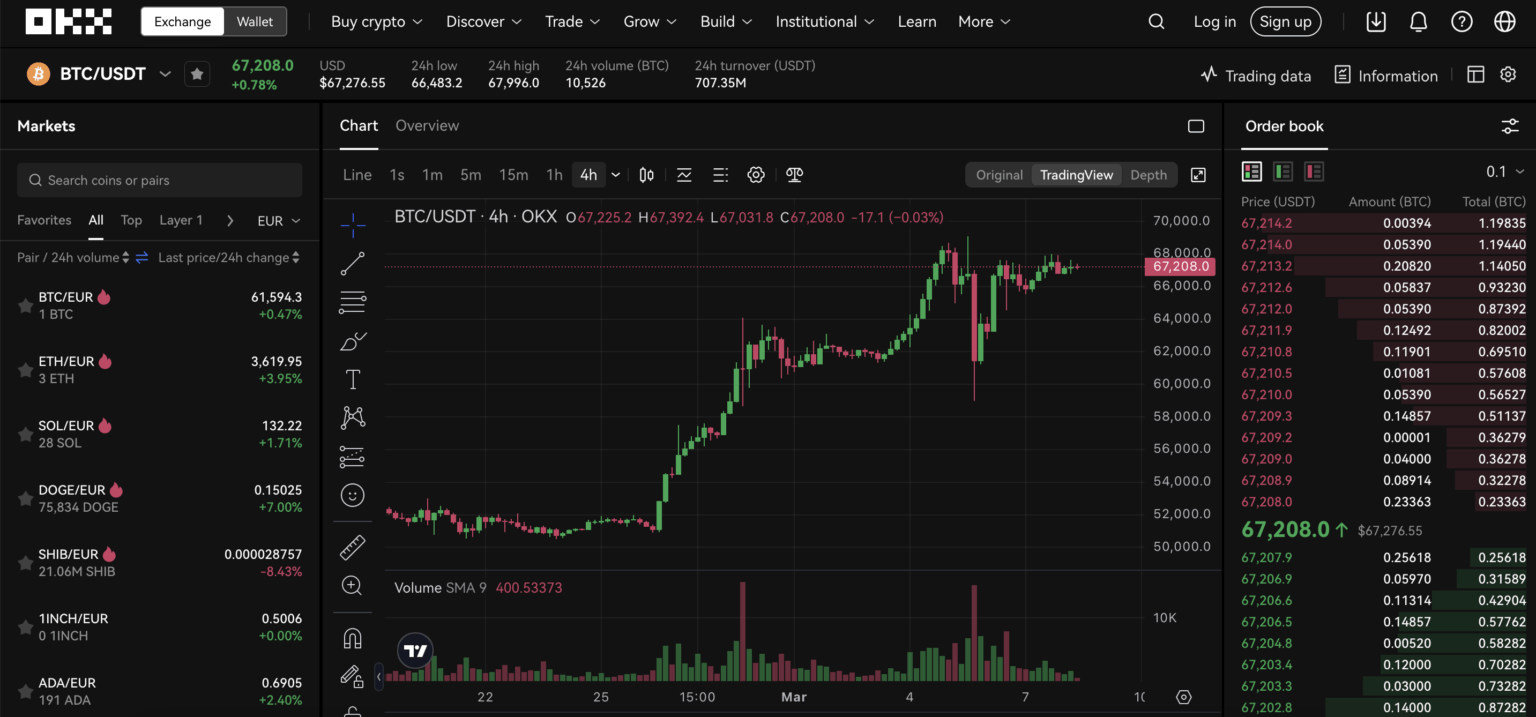
How to sign in and get started safely
Start with a unique password and enable multiple protective layers, then bookmark the official login page and avoid links from DMs or random emails; here’s where I go every time for a quick sign-in: okx sign in. Wow! Bookmarking the exact domain and checking the certificate reduces phishing risk. Also, consider a separate email for crypto accounts to reduce blast-radius if that email gets pwned, and use a password manager so you don’t have to juggle 15 iterations of the same password.
Withdrawals deserve an extra layer. Seriously—enable withdrawal address whitelisting and test with tiny amounts before sending more. My rule of thumb: any withdrawal larger than what I’d spend on a used car needs a manual double-check and a cold-wallet transfer. Also, keep a short written playbook for recovery—seed phrase backups (in two offline locations), a hardware key, and a clear chain of custody for your recovery phrase that doesn’t involve photos or cloud backups.
For spot-trading workflow, here’s the practical routine I use: scan markets, set a thesis, size position, choose order type, and set OCOs—then step away. Hmm… stepping away is the hardest part. The markets will do something whether you watch or not, and obsessing reduces the quality of your decisions. My instinct is to tweak constantly, but experience taught me to let planned trades breathe.
On fees and tax: fees chip away at performance, especially if you trade frequently. Keep an eye on the fee tiers and how they change with monthly volume or token staking. Taxes are messy; recordkeeping is your friend. I’m not a tax advisor, but I keep CSVs of trades and consult a pro when things get complicated—because a good spreadsheet at tax time feels like liquid therapy.
Web3 specific tips on OKX. Use the integrated wallet for easy on-ramping into NFTs or play-to-earn stuff, but treat the wallet like a bridge, not permanent storage. Really. Move long-term holdings to an air-gapped cold wallet if you care about long-term custody. Also, check contract approvals periodically and revoke unused allowances—some projects ask for permanent approvals that you probably don’t need forever. Somethin’ like that surprised me once and now it’s part of my weekly check.
Common questions traders ask
Do I need KYC to trade on OKX?
Most features, especially fiat on/off ramps and withdrawal limits, require KYC. Wow! You can view markets in read-only modes sometimes, but to deposit and trade freely you’ll probably complete identity verification—plan for a short wait and have your ID handy.
What’s the safest way to store tokens bought on OKX?
Short-term: exchange wallet is convenient but custodial. Long-term: hardware wallet is best for high-value holdings. Seriously—air-gapped and hardware keys reduce many attack vectors that plague software wallets, and if I had to pick one improvement for most retail traders, it’s getting a hardware wallet and practicing with small transfers until you’re comfortable.
How do Web3 features on OKX differ from regular spot trading?
Web3 features connect you to on-chain apps—NFTs, DeFi, bridges—so you’re interacting with smart contracts and potentially paying gas. My experience: it’s more empowering but requires an extra layer of vigilance because you sign transactions that are irreversible. Initially I treated it like another exchange click, but that quick heuristic almost cost me. Be deliberate.
Yono777game seems exciting, does it? I’d say if you’re itching for some gaming, might as well give it a shot. Find it here: yono777game
Aight fam, 212betapp, if you’re into betting apps, this is a contender. Looks pretty slick. Get in on the action: 212betapp
Whaddup, Instabet, quick and easy betting looks like. If you want Liga MX action, give it a look for sure. It’s a nice option, check this: instabet