
So, I was poking around the Solana ecosystem the other day, and man, it’s like a whole new world compared to Ethereum’s hustle. Seriously? NFTs, staking, yield farming—all this jazz feels like a roller coaster that you kinda wanna ride but also wanna double-check your harness first. Something felt off about how people talk about “easy” profits in DeFi. It’s tempting, but hey, that’s crypto for you—exciting yet a little wild.
Here’s the thing. Managing NFTs on Solana isn’t just about flipping digital art; it’s about integrating your assets with DeFi protocols to actually make your holdings work harder. Now, I’m no stranger to wallets, and for those deep into Solana, I always recommend the solflare wallet. It’s like having a Swiss Army knife in your pocket—sturdy, flexible, and pretty secure.
Okay, so check this out—NFTs on Solana are lightning-fast and cheaper to transact. That’s a game changer, especially if you’re into yield farming where every fee counts. But at the same time, the ecosystem’s still young. That means some protocols shine, others… not so much. I’ve seen projects that promise insane APYs but then fizzle out or get hacked. My gut says always vet the teams behind these platforms.
Yield farming is another beast altogether. At first glance, it looks like a straightforward way to stack tokens by locking them up. But wait—let me rephrase that—what you’re really doing is betting on the underlying token’s future while juggling liquidity risks and impermanent loss. It’s like walking a tightrope, and not everyone’s got a net.
On one hand, the potential returns are eye-popping. Though actually, the complexity and volatility make it a serious challenge for most casual users. I mean, I once jumped into a staking pool without fully grasping the lockup period, and boy, was I stuck. Lesson learned, definitely.
DeFi protocols on Solana have this fresh, innovative vibe. Some, like Raydium and Serum, combine automated market makers with order books—pretty slick hybrid stuff. But what bugs me is the lack of standardization. Each platform has its own quirks, and that can trip up even seasoned users.
Let me tell you about my experience with managing NFTs linked to DeFi positions. I remember transferring an NFT that represented a liquidity position, and the whole process felt clunky at first. The interfaces weren’t very intuitive, and I had to dig through forums to figure out the best practices. It’s improving now, but the user experience still trails behind the promise.
Check this out—here’s a snapshot of my dashboard on the solflare wallet, showing NFTs linked to staking pools and yield farms. It’s satisfying to see assets consolidated in one place. Alt text: “Solflare wallet interface displaying NFT-based DeFi positions.”
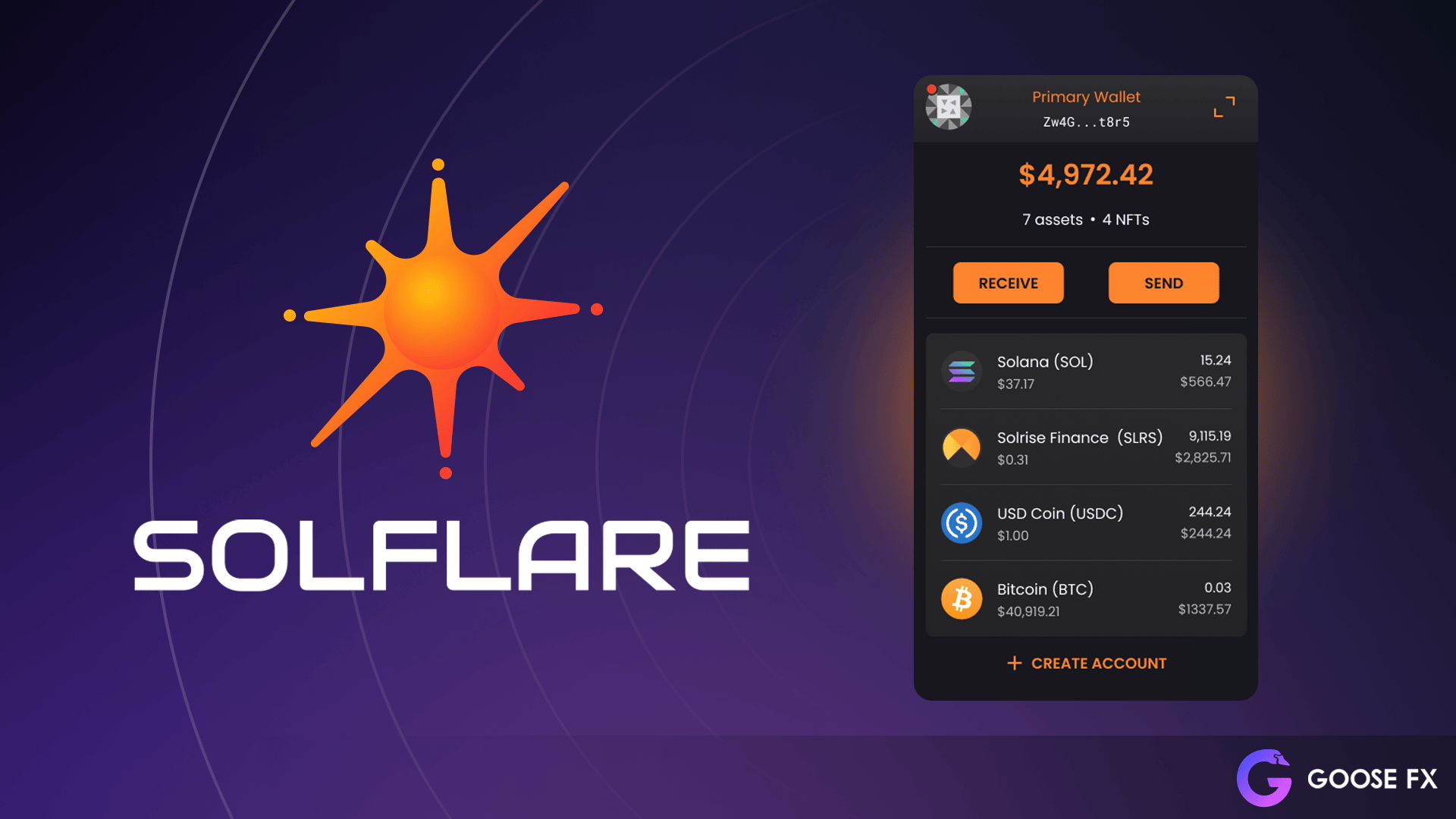
Now, about security. I’m biased, but the wallet you choose can make or break your whole experience. The solflare wallet supports hardware wallets and has robust encryption, which is very very important if you’re locking up significant amounts. I’ve had friends get burnt by phishing attacks, so double-checking URLs and using trusted wallets is a must.
On a deeper level, yield farming on Solana often means dealing with complex smart contracts that are still evolving. Initially, I thought it was all automated and foolproof, but then I realized bugs and exploits are part of the game. The recent hacks on some platforms remind us not to get too comfy.
Plus, the interplay between NFTs and DeFi is just getting started. Imagine NFTs that dynamically represent your farming positions or staking rewards. That’s not just hype; it’s actually happening. But it also means you need a wallet that can handle these layered assets seamlessly.
Here’s a quick tangent—oh, and by the way, if you’re new to this, don’t underestimate the learning curve. It’s steep. I’ve seen people jump in chasing hype and end up confused or worse. Patience and research pay off big time.
Honestly, the ecosystem’s mix of speed, low fees, and innovative protocols makes Solana a playground for both risk-takers and strategists. But the flip side is the fragmentation and occasional tech hiccups. It’s like cruising a fast, twisty road—you gotta keep your eyes peeled and hands steady.
And trust me, juggling NFTs for DeFi and yield farming positions can get complicated fast. But once you get the hang of tools like the solflare wallet, things flow more naturally. Having one place to manage everything reduces stress and cuts down on errors.
Something that’s really interesting is how yield farming protocols are starting to gamify their incentives. You don’t just earn tokens; you unlock badges, NFTs, or even governance rights. It’s a clever way to boost engagement, but I wonder if it sometimes distracts from the actual financial risks involved.
My instinct says keep your eyes on the fundamentals. Don’t get dazzled just by flashy numbers or cute NFT avatars. Instead, focus on the solidity of the protocol, the team’s transparency, and the community vibe.
In sum, managing NFTs, diving into DeFi protocols, and farming yields on Solana is an adventure—one with ups and downs, surprises and pitfalls. The tools like the solflare wallet help smooth the bumps, but you gotta stay sharp and skeptical.
What I’m really curious about going forward is how these ecosystems will balance user-friendliness with the raw, experimental nature of DeFi. Will we see more integrated, intuitive solutions that make staking and yield farming accessible to everyone? Or will the complexity keep it niche for a while longer?
Anyway, I’m still digging through this space, learning each day. The mix of tech, finance, and culture wrapped up in Solana’s DeFi and NFT scene is just too fascinating to ignore—even when it makes me scratch my head or question my own moves. But hey, that’s the thrill, right?